Winter weddings offer unforgettable photographs with the unique atmosphere of a snowy landscape, but vehicle and schedule planning carry great importance in cold weather. In this article, we cover the points to consider in winter weddings, from bridal car arrangements to convoy organization, guest shuttle service, and backup plans.
Streets, trees, and squares covered in white snow add an authenticity and elegance to wedding photos that no other season can capture. The harmony between the bride's white gown and the snowy landscape turns the shots into something out of a fairy tale. This visual unity produces photographs that couples continue to cherish for years to come.
The soft, diffused nature of winter light, especially in the afternoon hours, gives photographers a natural and balanced lighting opportunity. Since shadows become less sharp, facial expressions appear more natural. However, making the most of this atmosphere depends on proper timing and route planning.

Since daylight fades early during winter months, outdoor photo sessions need to be fit into a narrow time window. The sunrise and sunset times should be clarified in advance with the photography team, and the shooting schedule should be planned minute by minute accordingly. Otherwise, unexpected delays can cause the light to disappear before the planned shots are captured.
The time spent outdoors is directly related to how long the bride and groom are exposed to the cold. For this reason, the distance and travel time between shooting locations should also be factored into the overall schedule. Short breaks spent inside the vehicle allow the couple to warm up and arrive at the next location feeling refreshed.
One of the most critical issues in winter weddings is making sure the bride does not have to wait outdoors for extended periods. The vehicle should be positioned as close as possible to the shooting location, and the bride should have the chance to warm up inside the car between each shot. This ensures comfort while also preventing the cold from negatively affecting the gown and hair and makeup.
When building the day's schedule, the duration of each stop should be estimated realistically, leaving buffer time for unexpected traffic or weather conditions. The driver knowing the route in advance and being able to consider alternative paths makes it easier to stay on schedule without disruptions.
When preparing the bridal car decoration, the effect of winter conditions on the decorative materials should be taken into account. Materials that are not resistant to humidity, cold, or possible snowfall can deteriorate quickly or negatively affect the vehicle's appearance. For this reason, it is important to choose decorations that are suitable for the season and durable.
Decorations applied to the exterior of the vehicle must be secured firmly so they do not shift during the journey due to speed and wind effects. Care should also be taken to ensure that decorations do not obstruct the driver's visibility or affect safety on wet or slippery surfaces.
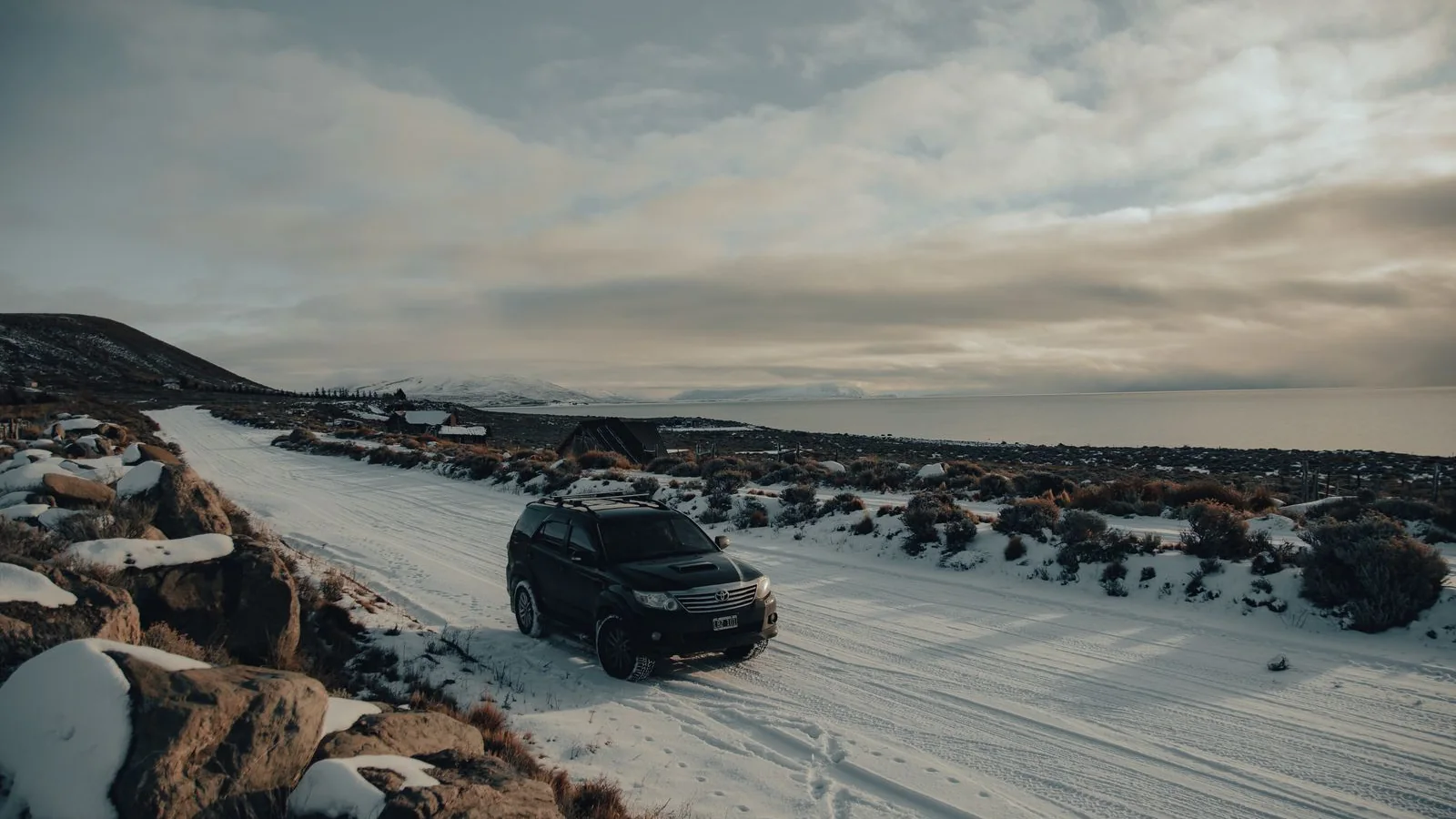
Since icy roads, snowfall, or fog can occur on winter roads, it is recommended to keep a greater distance than usual between vehicles when organizing a convoy. Drivers knowing the same route in advance and staying in communication with one another helps the convoy reach its destination on time without becoming separated.
Considering that road conditions can change, it is important to use winter tires and have vehicles undergo seasonal maintenance. Adjusting driving speed according to road conditions is necessary both for the convoy's safety and for keeping the wedding schedule on track without disruption.
Since finding parking or a vehicle can be difficult during winter months, a shuttle service organized for guests adds value both in terms of comfort and timely attendance. Transfers from designated meeting points to the venue allow guests to reach the wedding without waiting in the cold and without stress.
Planning shuttle times in harmony with the event schedule helps both the ceremony and the venue organization proceed without disruption. This arrangement is especially helpful for weddings with a large guest list, supporting the overall flow of the day.
In winter weddings, the ceremony, photo shooting locations, and the venue are often held at different places. Planning these transitions in terms of vehicles and timing in advance is important for the day to flow smoothly. A realistic timeline should be created, taking into account the distance and traffic conditions between each location.
Leaving short breaks for the bride and groom to rest inside the vehicle during transitions between locations reduces the day's fatigue. In addition, the vehicle and driver being aware of the location at all times helps prevent unexpected delays.
Due to the weather conditions that winter brings, a backup plan must always be prepared for outdoor shoots and outdoor schedules. In cases of sudden snowfall, extreme cold, or heavy fog, being able to move shooting locations indoors allows the day to continue without disrupting the flow.
The backup plan should be considered not only for the photo location but also for the travel route and timing. Having an alternative route determined in advance in case of a possible road closure or heavy traffic significantly reduces the stress that can arise on the wedding day.
Book your transfer in advance.
Premium
Business
VIP
VIP Minibus
Group Due to the uncertainties that winter conditions bring, finalizing the vehicle and route planning well ahead of the wedding date makes it easier to find timely solutions to possible disruptions.
Yes, in the event of snowfall or unfavorable weather conditions, the previously prepared backup plan can be put into action, and the shooting locations and schedule can be adapted accordingly.
Materials suitable for winter conditions and resistant to cold and moisture are preferred to ensure the decoration remains intact throughout the journey.
A shuttle service organization can be preferred especially for weddings with a large guest list, so that guests can reach the venue from the meeting point comfortably and on time.
A realistic timeline is created taking into account the distance and traffic conditions between each location, and transitions are coordinated accordingly.