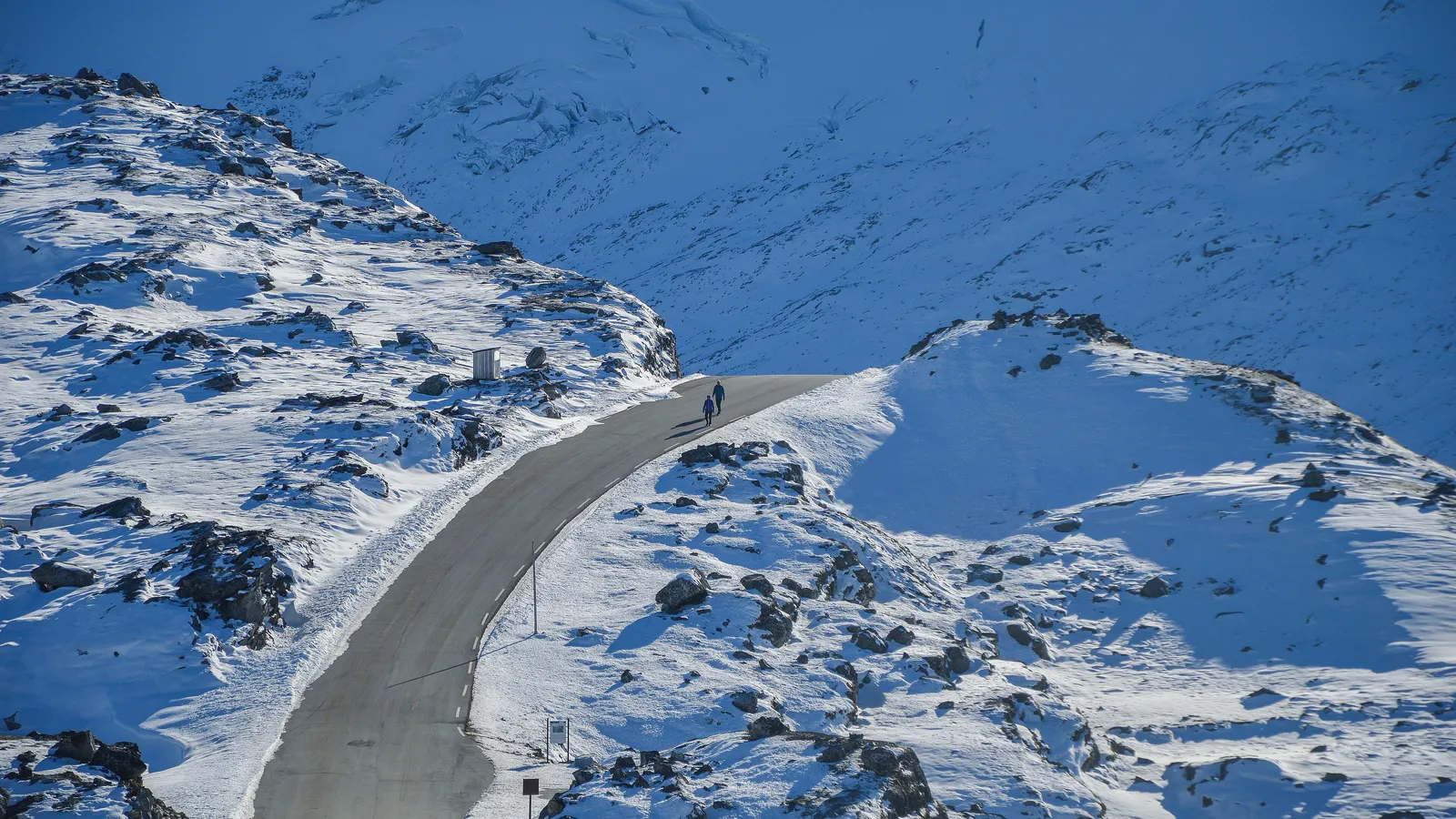
Checking winter tires, snow chains, engine fluids, and essential equipment carries significant importance for safe driving during winter journeys. Traveling with an experienced chauffeur instead of managing these comprehensive preparations allows you to enjoy comfortable and peaceful transportation in challenging winter conditions.
Falling temperatures in the winter months radically alter grip conditions on road surfaces. While the rubber structure of standard tires hardens and loses flexibility in cold weather, winter tires maintain their elasticity thanks to a specialized compound, gripping the road firmly. This structural quality performs a critical function in maintaining steering control, particularly on wet, snowy, and slippery surfaces.
In Turkey, the use of winter tires for commercial vehicles carrying intercity passengers and freight is regulated by a statutory timetable. Commencing at the start of December each year, this regulation remains in effect until the beginning of spring. Even though no penal obligation exists for private passenger cars, road safety experts strongly recommend using winter tires under winter road conditions.

Simply mounting winter tires onto a vehicle does not represent an adequate measure on its own. Adequate tread depth within the tire tread pattern enhances traction by clearing snow and reduces the likelihood of aquaplaning. Worn and faded tire treads weaken the vehicle's connection to the road surface in tough winter environments, paving the way for loss of control.
With every noticeable drop in ambient temperature, the air pressure inside the tires physically decreases as well. For this reason, tire pressures should be kept at the ideal levels recommended by the manufacturer throughout the winter period. Deficient or excessive air pressure distorts the tire contact patch, thereby lengthening braking distance and adversely affecting cornering performance.
On routes with heavy snowfall, thick accumulations, or hard layers of ice, winter tires alone may prove insufficient for forward progress. Especially on steep inclines, high-altitude mountain passes, and deep snow-covered rural roads, snow chains allow wheels to grip the ground effectively, preventing wheel spin and lateral skidding.
Chains must be installed correctly onto the designated drive axle wheels of the vehicle. Once passing beyond snow cover onto dry asphalt, removing the chains immediately is essential; otherwise, severe damage can occur to both the tires and drivetrain components. Practicing chain installation prior to departure saves valuable time in difficult moments.
To avoid cracked engine blocks and frozen cooling systems in freezing temperatures, the antifreeze concentration within the radiator must be precisely measured. Pure water or fluids with insufficient antifreeze ratios expand during cold nights, leading to major mechanical damage throughout the engine. Therefore, testing the freezing point of the engine coolant before winter begins is vital.
To maintain a clear field of vision, windshield washer fluid formulated for sub-zero temperatures must be added to the washer reservoir. Plain water can freeze inside spray nozzles and washer lines, leaving drivers vulnerable to dangerous blind spots. Furthermore, because low temperatures decrease battery efficiency, battery charge levels and terminal cleanliness require careful inspection.
When traveling over slippery and icy road surfaces, stopping distances increase substantially compared to dry asphalt conditions. Under such conditions, avoiding sudden steering inputs, aggressive acceleration, and panic braking is imperative. For safe driving, the following distance to the vehicle ahead should be expanded to at least two or three times that maintained on regular days.
Bridges, overpasses, and wind-exposed curves in forested areas are where black ice forms most frequently. When approaching these points, speed should be reduced in advance and gradually by downshifting to engage engine braking. Cruise control systems should also be deactivated on icy roads so the driver maintains immediate physical control through natural reflexes.
Road closures due to heavy snowfall or blizzards that force occupants to wait inside a vehicle for prolonged periods are realistic possibilities during winter travel. Having a warm blanket, flashlight, tow strap, jumper cables, and an ice scraper inside the trunk provides vital relief against these sudden and unexpected circumstances.
Additionally, a fully stocked first aid kit, reflective warning triangles, a portable power bank, spare winter apparel, non-perishable snacks, and drinking water should be kept in the vehicle. Because emergency rescue teams may take time to reach remote rural areas, these basic provisions help occupants remain safe while stranded.
Completing comprehensive vehicle maintenance, dealing with tire chain installation, and driving for hours under taxing winter road conditions with intense concentration is an exhausting process. When opting for professional chauffeured transfer and private transportation options, these technical inspections, seasonal precautions, and demanding driving responsibilities are lifted entirely from the traveler's shoulders.
Drivers experienced in winter conditions read road conditions accurately to deliver a safe journey, while well-equipped vehicles prepared specifically for the season provide a tranquil environment. Passengers can sit back, relax in the rear seat, and appreciate the winter landscape without having to worry about vehicle readiness or adverse weather conditions.
Book your transfer in advance.
Premium
Business
VIP
VIP Minibus
Group Although the legal obligation formally covers commercial vehicles engaged in intercity transport, using winter tires on private passenger cars is strongly recommended during the winter season for personal safety and road grip.
Snow chains should only be fitted when thick snow or ice covers the road surface and tires alone cannot maintain traction, and they must be removed immediately upon reaching cleared or dry asphalt.
Antifreeze prevents engine coolant from freezing, protecting the engine block from cracking and preventing circulation system failures; therefore, measuring its freezing threshold prior to winter travel is essential.
It removes the hassle of tire swaps, chain fitting, and long hours behind the wheel in severe weather conditions, providing travelers with a safe, comfortable, and stress-free journey.